

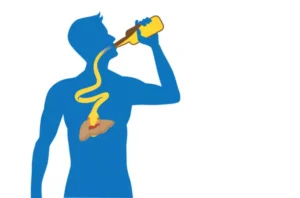
Physical exercise is another way to promote brain cell growth and why many treatment centers supplement sobriety with physical activity and organized nutrition. Just as it takes time for damage to occur in the brain, it takes time to reverse the damage as well. However, the effort needed to remove the damage done and live clean and sober is worth it. With compromised neurotransmitter function comes slurred speech, blurry vision, and slower reaction times — which are especially dangerous when operating a vehicle. In effect, a brain is the sum of its parts, each with a specific function, but with every part working harmoniously to allow us to perform. This system of nerves is connected throughout our bodies, making communication difference between drugs and alcohol to the brain fast and precise.
- Remember, drugs change the brain—and this can lead to addiction and other serious problems.
- This heightened activation can reinforce drug-seeking behavior and contribute to addiction.
- If you’re tempted by something questionable—like eating ice cream before dinner or buying things you can’t afford—the front regions of your brain can help you decide if the consequences are worth the actions.
- Cravings are a result of complex physical and chemical processes in the brain.
- Seeking support from mental health professionals can help individuals on the path to recovery.
Is fentanyl addictive?

If a substance causes an extreme high and a severe drop in pleasure, it is more likely that it will be used in greater quantity and regularity, to maintain the ‘high’ and prevent withdrawal symptoms. With repeated use, tolerance develops, which means that greater doses are required to create the same feeling of pleasure. Higher doses are also likely to contribute to physical dependence, which results in severe withdrawal symptoms when the substance is not used.
- Typically, adolescents are less sensitive to the intoxicating effects of alcohol.
- Understanding how alcohol affects your brain is key to recognizing its long-term consequences.
- Unfortunately, when it comes to drug use, reversing the damaging effects isn’t as simple as it is with alcohol.
- Moderate levels of μ-receptors (i.e., a subtype of opioid receptors) are found in the CeA (Chieng et al. 2006), where their activation decreases excitatory and inhibitory transmission via a presynaptic action (Finnegan et al. 2005).
- Addiction is usually considered a chronic, lifelong condition, but recovery or “remission” is possible.
- This begins to change how a person perceives natural rewards like eating or watching a great movie.
How does flunitrazepam make people feel?
- “Curing” addiction isn’t the goal of treatment programs since there is no true cure for addiction.
- The implications of such a comparison are far-reaching, potentially influencing everything from public health policies to individual dietary choices.
- In contrast, when you’re in danger, a healthy brain pushes your body to react quickly with fear or alarm, so you’ll get out of harm’s way.
- To better define the potential interactions taking place on the amygdalar GABAergic system, it is important to know how alcohol alters GABA transmission and, in turn, how GABAergic activity modulates AOD-seeking behaviors.
It can also cause severe side effects, such as heart attacks, strokes, and seizures. Attention deficit hyperactivity disorder (ADHD) is a developmental condition. Because cocaine is a stimulant, it may have a similar effect to ADHD medications. At Foundations Wellness Center, our goal is to help clients and their families start on the road to addiction recovery and a healthy, sober life. Our outpatient drug and alcohol rehabilitation facility focuses on treating each patient with care and compassion following a custom, holistic addiction treatment plan. Consistent drug use leads to tolerance, enjoyment, and mind-altering effects.
- But, it is being increasingly abused by individuals worldwide, causing serious health problems and concerns.
- The use of prescribed benzodiazepines carries significant risks, especially when combined with alcohol, as this combination can exacerbate the potential for addiction and lead to severe health consequences.
- They also observe that age 18 to 25 is the peak period of illicit drug use, indicating it is often a developmental disorder, a temporary form of disengagement from life for any number of possible reasons.
- Once again, understanding the social and economic consequences of alcohol and drugs is vital for grasping their broader impacts on the community.
- The brain is made up of many parts with interconnected circuits that all work together as a team.
Holistic Support for Mental Health and Addiction
Many scientists think that this process contributes to the steady reduction in gray matter volume seen during adolescence (depicted as the yellow to blue transition in the figure). As environmental forces help determine which connections will Substance abuse wither and which will thrive, the brain circuits that emerge become more efficient. However, this is a process that can cut both ways because not all tasks are desirable. As with other diseases and disorders, the likelihood of developing an addiction differs from person to person, and no single factor determines whether a person will become addicted to drugs.
When a person develops an addiction to a substance, it’s because the brain has started to change. This happens because addictive substances trigger an outsized response when they reach the brain. Instead of a simple, pleasurable surge of dopamine, many drugs of abuse—such as opioids, cocaine, or nicotine—cause dopamine to flood the reward pathway, 10 times more than a natural reward. Throughout the process, neurons put out neurotransmitters that send messages to the other sections of the body. Drugs can end up disrupting this pattern and causing your brain to function poorly in this regard.